IPO Investment App To Planning New Share Offerings Online Now
An initial public offering gives investors an opportunity to apply for shares when a company offers them to the public for the first time. An IPO investment platform can make it easier to review upcoming issues, understand important offer details, submit applications, and monitor application status from a digital device.
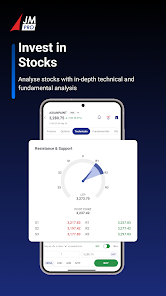
An IPO Application App can simplify several steps involved in applying for a public issue, while an IPO Trading App may provide access to market-related information and investment services. However, using a digital platform does not remove the need for research. Investors should understand the company, offer terms, risks, and their own financial objectives before applying.
What Is an IPO Investment App?
An IPO Investment App is a digital platform that may allow investors to access information about public offerings and complete eligible application-related activities online. Depending on the platform, users may be able to view issue dates, price ranges, lot sizes, subscription information, and application details.
The exact features can differ between platforms. Some applications may also provide access to portfolio information, market data, and other investment services.
For new investors, understanding the difference between an IPO application service and regular stock trading is important. An IPO involves the primary market, while buying and selling listed shares generally takes place in the secondary market.
Understanding the Primary Market
The primary market is where securities are offered to investors as part of a new issue. In an IPO, the company offers shares to eligible investors according to the terms specified in its offer documents.
After the issue closes and allotment procedures are completed, allotted shares can be credited to the investor's Demat account. Once listed, those shares can generally be traded in the secondary market subject to applicable market rules.
Difference Between IPO Applications and Stock Trading
An IPO application is a request to participate in a new share offering. Stock trading involves buying or selling securities that are already listed and available in the secondary market.
An IPO Trading App may offer market information and trading facilities, but investors should understand whether they are applying for an IPO or placing an order for an already-listed security.
How to Apply for an IPO Online
The online IPO application process generally begins with selecting an issue that is currently open for applications. Investors should first review the available information before deciding whether to apply.
An IPO Application App may display the issue opening date, closing date, price band, lot size, and other application-related information.
After selecting an issue, investors enter the required details and submit the application using the supported payment or fund-blocking mechanism. The application is then processed according to the applicable rules.
Check the Issue Dates
Every IPO has a defined opening and closing period. Investors should submit applications within the specified period if they decide to participate.
Checking the dates in advance can help avoid submitting an application after the issue has closed.
Review the Price and Lot Size
The price band and lot size determine the amount required for an application. Investors should understand the minimum application size and calculate the amount involved before submitting the request.
They should also review whether additional application lots fit within their available investment amount.
Monitor the Allotment Status
Submitting an IPO application does not guarantee that shares will be allotted. If the issue receives applications exceeding the shares available for a particular category, allotment is carried out according to the applicable process.
Investors can monitor the application and allotment status through the relevant platform or designated channels.
What to Review Before Applying
An IPO should be evaluated using information about the company's business and financial position rather than relying only on market discussion.
Company Business
Investors should understand what the company does, how it earns revenue, the markets it serves, and the factors that influence its operations.
A clear understanding of the business can help investors determine whether the company fits within their investment objectives.
Financial Performance
Reviewing revenue, profitability, debt, cash flows, and other financial information can provide useful insight into the company's financial position.
Investors can also examine how these figures have changed over multiple periods instead of relying on a single reporting period.
Purpose of the Issue
The offer documents generally explain how the company plans to use the funds raised through the offering.
The proceeds may be used for expansion, working capital, debt repayment, acquisitions, or other stated purposes. Understanding this allocation can help investors assess the purpose behind the fund-raising exercise.
Risk Factors
Every public offering has potential risks. These may include competition, changes in regulations, industry conditions, customer concentration, operational challenges, or changes in market demand.
Investors should read the disclosed risk factors carefully and consider how they could affect the company's future performance.
Using an IPO Investment App for Research
A digital application can make it easier to access IPO-related information in one place. Investors may be able to review issue details, application timelines, and status updates without relying entirely on physical documents.
An IPO Application App can be useful for managing the administrative aspects of an application. However, investors should verify important information using official offer documents and applicable exchange or regulatory sources where appropriate.
The convenience of a digital interface should not be confused with an indication of investment quality.
Role of an IPO Trading App After Listing
Once IPO shares are listed, investors may need a platform that supports secondary-market transactions if they want to buy or sell listed shares.
An IPO Trading App can provide access to market prices, order placement, holdings, and transaction records depending on the services offered.
Investors should understand that the market price after listing may differ from the IPO price. Shares can rise or fall based on company performance, market conditions, investor demand, industry developments, and other factors.
Understanding Listing Price Movements
The listing price does not determine the long-term value of a company. Short-term movements can occur due to market conditions and investor activity.
Investors considering holding shares after listing should review the company's fundamentals and their original investment objectives rather than relying solely on the initial market reaction.
Costs and Account Requirements
Before using any investment platform, investors should understand applicable charges and account requirements. These may include account-related charges, transaction costs, taxes, or other applicable fees.
Investors should also ensure that their Demat and trading arrangements are active and that the required verification details are up to date.
Keeping account information current can help avoid delays when using online investment services.
Conclusion
An IPO Investment App can make it easier to access new share offerings, review issue information, submit applications, and monitor application status through a digital platform. Understanding the primary market, allotment process, company financials, valuation, and risks remains important before making an investment decision.
An IPO Application App can simplify the application process, while an IPO Trading App can support market access after shares are listed, depending on the services provided. Investors should use these digital tools for convenience while relying on proper research and official information when evaluating new share offerings.