The way people manage vehicle protection has changed significantly in recent years. Instead of relying on paperwork and long conversations, users now prefer digital platforms that simplify policy management. This shift has led to the rapid growth of insurance apps, especially those focused on car insurance. While most users are aware of basic features like policy storage and renewal reminders, many emerging trends remain largely unnoticed.
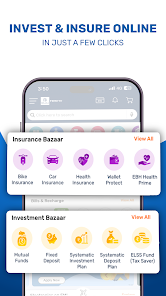
Car insurance platforms are quietly adapting to user behavior, regulatory expectations, and technology changes. These updates are not always visible on the surface, yet they influence how policies are purchased, managed, and claimed. Understanding these hidden developments can help users make better decisions and use insurance apps more effectively.
This article explores lesser-known trends shaping car insurance apps today and explains how these changes impact everyday users without relying on promotional language or brand-specific references.
The Shift Toward Simplified User Journeys
Reduced Dependency on Paper-Based Processes
One of the most noticeable trends is the gradual removal of physical documentation. Car insurance apps now emphasize digital uploads, electronic verification, and cloud-based storage. This reduces the risk of document loss and allows users to access policy details at any time.
The shift also helps streamline compliance processes, making it easier for users to meet legal requirements without additional effort.
Fewer Steps, Clearer Navigation
Modern insurance apps focus on reducing the number of steps required to complete tasks. Whether updating personal details or checking coverage status, the goal is to minimize confusion. Simple layouts and guided flows improve usability, especially for first-time users managing car insurance digitally.
Personalization Based on Driving Behavior
Usage-Based Data Insights
A growing trend in car insurance apps is the use of driving-related data to offer more tailored experiences. While users may not always notice this in real time, background data analysis helps adjust policy suggestions and usage summaries.
This approach allows insurance apps to move away from generic coverage structures and toward more individualized options.
Adaptive Notifications and Alerts
Instead of sending general reminders, apps are now adjusting notifications based on user habits. For example, reminders may align with renewal patterns, vehicle usage frequency, or policy interaction history. This makes communication feel relevant rather than repetitive.
Faster Claims Without Direct Human Interaction
Digital Claim Initiation
Car insurance apps increasingly allow users to initiate claims without direct calls or emails. Users can upload images, add incident details, and track claim progress directly within the app. This reduces delays and improves transparency.
Status Tracking in Real Time
Another lesser-known trend is real-time claim status updates. Rather than waiting for external communication, users can see progress stages clearly displayed. This reduces uncertainty and builds trust in the process.
Greater Focus on Data Security and Privacy
Strengthened Verification Layers
As insurance apps handle sensitive personal and vehicle data, security has become a core priority. Multi-step verification, device recognition, and session monitoring are now common behind-the-scenes features.
These measures may not be visible to users, but they play a major role in protecting car insurance information.
Transparent Data Usage Policies
Apps are also becoming clearer about how user data is collected and used. This transparency helps users feel more comfortable engaging with digital car insurance platforms for long-term use.
Integration With Broader Digital Ecosystems
Compatibility With Financial Tools
Many car insurance apps now integrate smoothly with digital payment systems and financial tracking tools. This allows users to manage premium payments alongside other expenses without switching platforms.
Syncing With Vehicle Information Systems
Another growing trend is the ability to sync vehicle details automatically, reducing manual entry errors. This improves accuracy in policy records and speeds up updates when vehicle-related changes occur.
Learning-Oriented App Features
Policy Understanding Tools
Insurance apps are gradually including educational elements that help users understand coverage terms, exclusions, and conditions. These tools are designed to explain information in simple language without overwhelming details.
Scenario-Based Guidance
Some platforms offer situational guidance, helping users understand what steps to take during specific events like accidents or policy renewals. This trend supports better decision-making without requiring external assistance.
Reduced Reliance on Customer Support
Self-Service Capabilities
Modern car insurance apps are built to handle most user needs independently. From endorsements to policy modifications, users can complete tasks without waiting for support responses.
This trend benefits both users and service providers by saving time and reducing operational load.
Automated Issue Resolution
Basic issues such as payment failures or document mismatches are now resolved through automated checks. This improves overall efficiency and ensures smoother experiences within insurance apps.
Regulatory Awareness Built Into Apps
Location-Specific Compliance
Insurance apps are increasingly designed to align with regional rules and requirements. Users may notice automatic prompts or validations that ensure car insurance policies remain compliant with local regulations.
Timely Updates on Policy Changes
When regulatory changes affect coverage or documentation, apps notify users promptly. This proactive approach helps users stay informed without actively monitoring policy updates.
Future-Oriented Design Without Complexity
Scalable Features
Car insurance apps are being developed with scalability in mind. This allows new features to be added without disrupting existing user experiences.
Minimal Learning Curve
Despite increasing capabilities, apps aim to keep learning requirements low. Clear icons, consistent layouts, and simple instructions help users adapt quickly.
Conclusion
The evolution of car insurance apps goes far beyond surface-level convenience. Behind simple interfaces lie complex systems designed to personalize experiences, improve security, and reduce dependency on manual processes. These developments reflect a broader shift toward efficiency and transparency in car insurance management.
Insurance apps are no longer just digital storage tools. They actively guide users, adapt to behavior, and simplify complex tasks without drawing attention to the underlying technology. As these trends continue to shape the ecosystem, users who understand these changes can better navigate their car insurance needs with confidence.
Leave a Reply